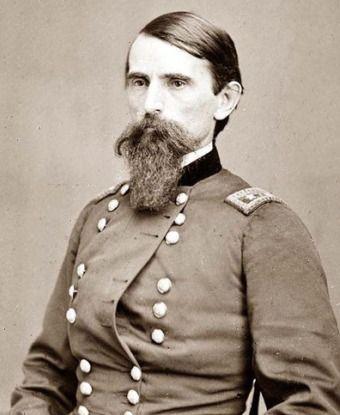
The Masonic Apron of Major General Lew Wallace, Author of Ben-Hur

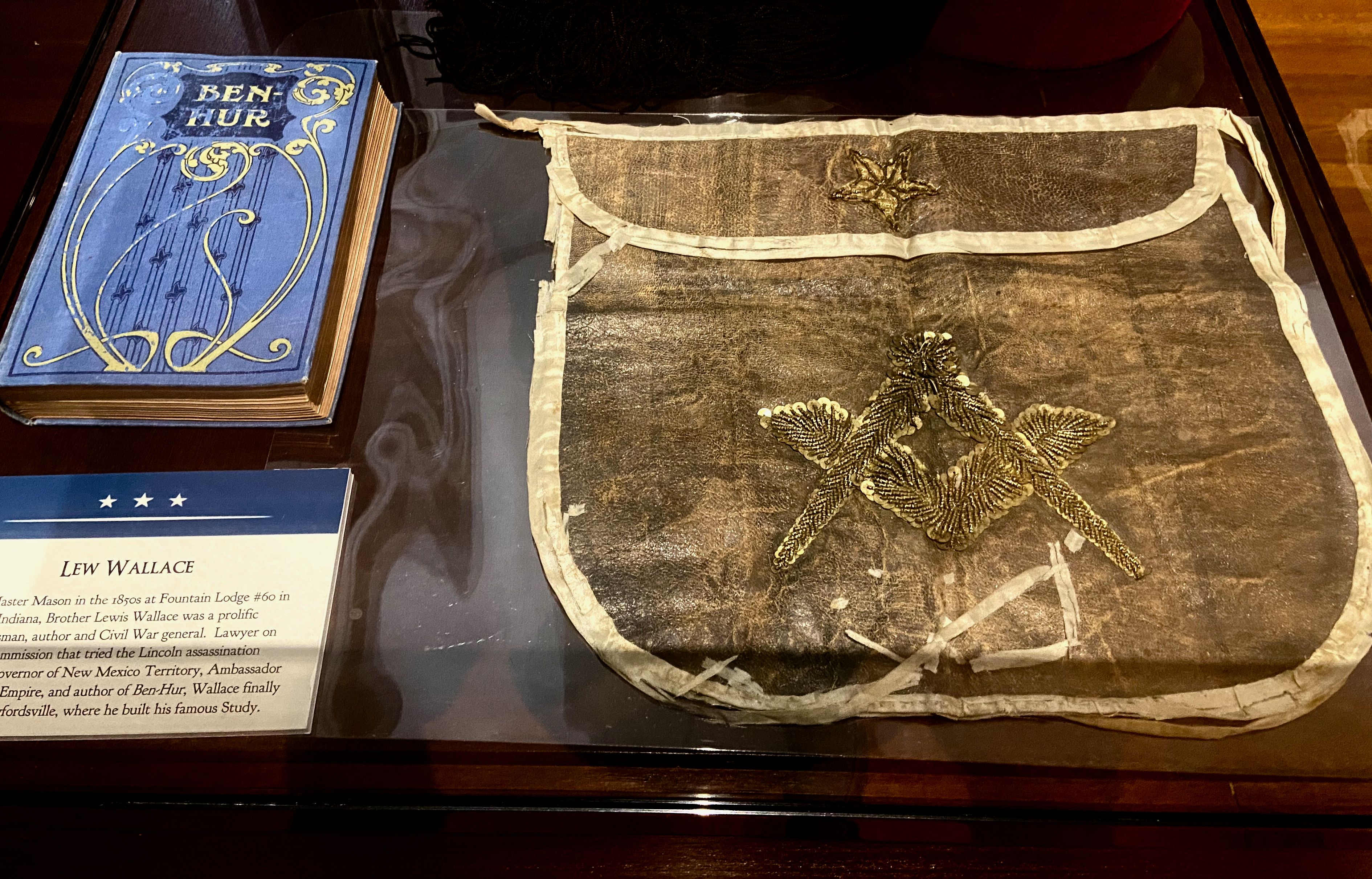
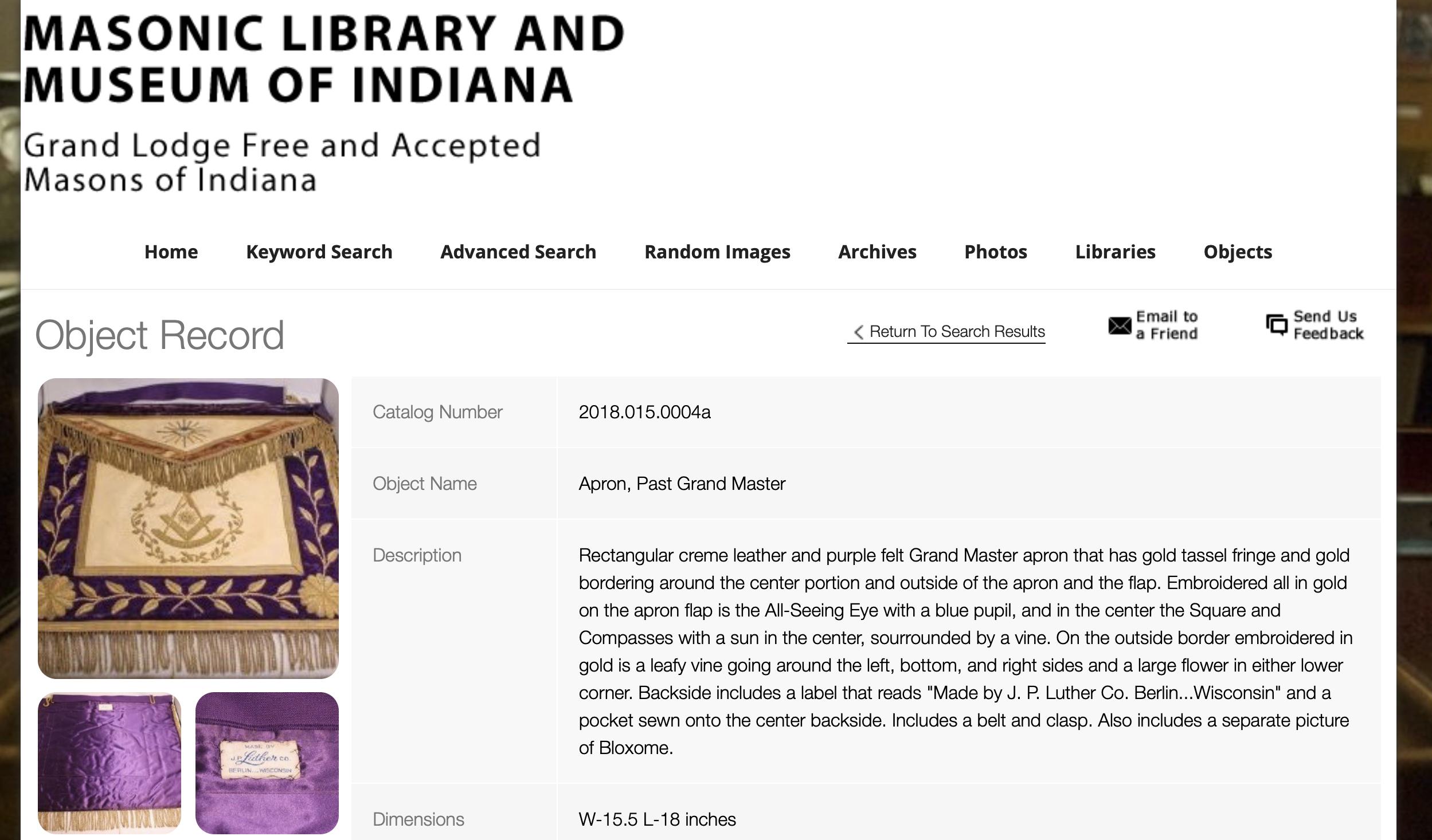
Former Indiana Governor David Wallace’s original Masonic apron, later worn by his son, General Lew Wallace. (Leather with silk tape; c. 1826) On loan from the General Lew Wallace Study and Museum, Crawfordsville, IN)

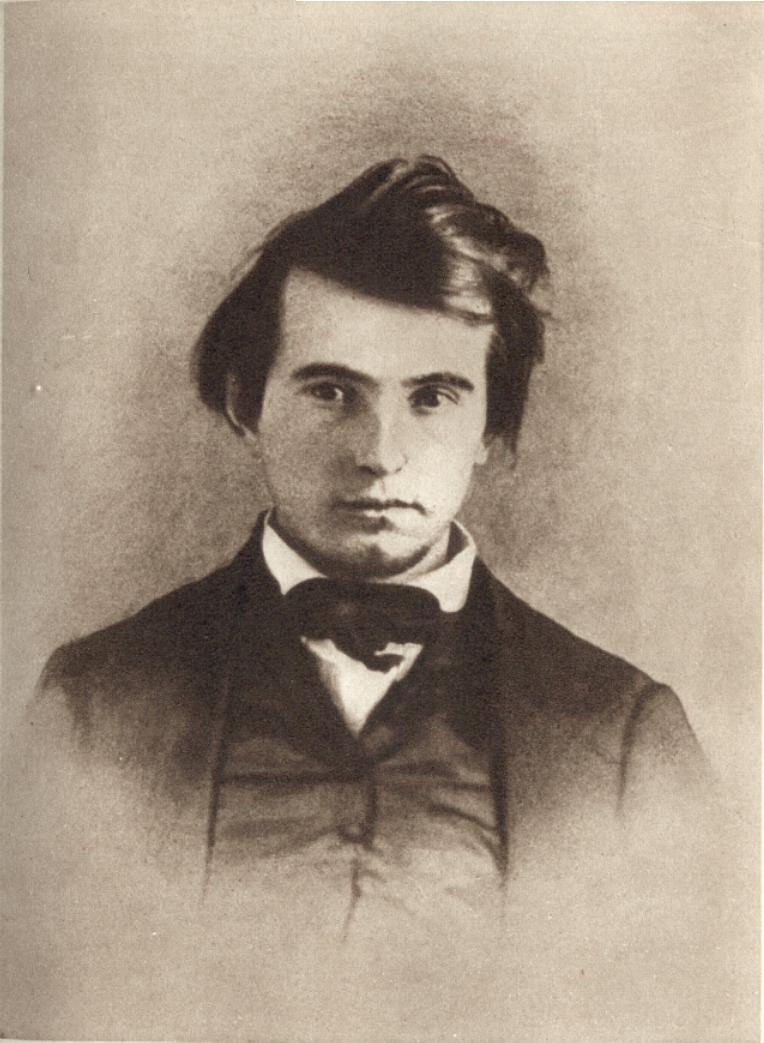
In January of 1851, 24-year old Lewis Wallace was raised a Master Mason at Fountain Lodge 60 in Covington, Indiana, just three years after the lodge had been chartered by the Grand Lodge. Lawyer, statesman, army general, diplomat, inventor and Renaissance man, Lew Wallace would become the best-selling author of the 19th century.

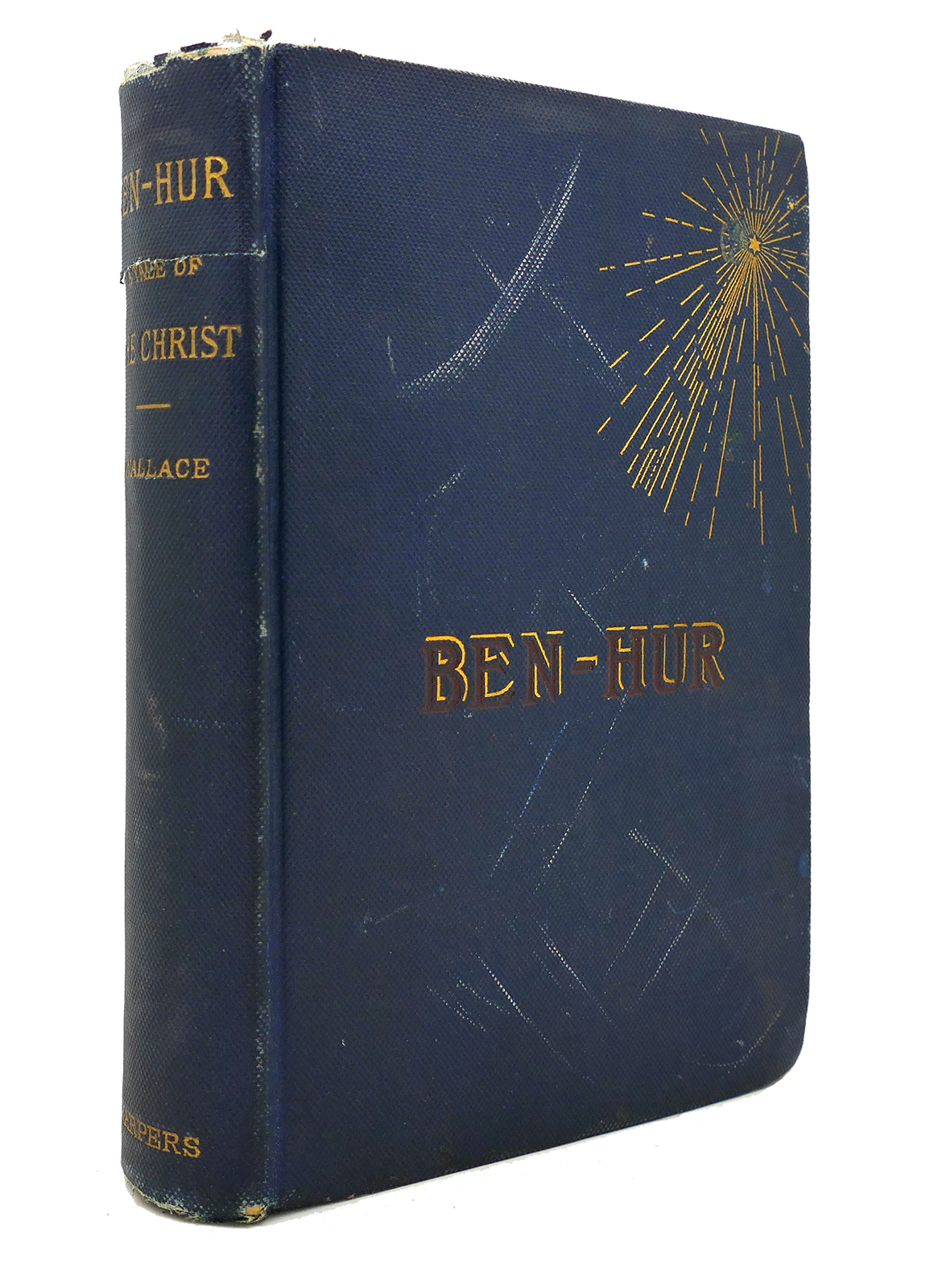
Lew Wallace may not be a well-known name today, but less than 30 years after becoming a Mason, he would be internationally known as the author of the world’s most popular novel, Ben Hur: A Tale of the Christ. First published in 1880, the epic story of love, betrayal, cruelty, vengeance, faith and redemption, wrapped in a sweeping adventure out of the age of Romance, captured the imaginations of millions. The book inspired countless readers to convert to Christianity, or gave new purpose to lapsed Christians who rediscovered their own faith. Ben-Hur remained the most successful novel of all time up until Gone With the Wind’s publication in 1936. It has never gone out of print.

Brother Lew Wallace’s handwritten petition for the degrees of Freemasonry is still a prized possession of Fountain Lodge 60 today. Several years after the end of the Civil War, he moved and made his home in Crawfordsville, where he transferred his membership to Montgomery Lodge 50 before his death in 1905.

Now, thanks to a generous agreement with the Lew Wallace Study and Museum in Crawfordsville, the Masonic Library & Museum of Indiana is proud to display the Masonic apron worn by both author and statesman Lew Wallace, and his father, Indiana Governor David Wallace when they each first joined  the fraternity.

 *.  *   *

Born April 10th of 1827, Lew (he preferred the informal version of his name) had grown up in the shadow of his father, who had served as the sixth governor of the state of Indiana between 1831 and 1837, and as an Indiana Congressional Representative between 1941 and 1843 (David Wallace was himself a member of Harmony Lodge 11 in Brookville and joined in 1826). Lew was an incorrigible child who took full advantage of his father the governor’s important positions. He was a notorious discipline problem and in constant search of excitement and adventure, which often landed him in trouble with neighbors. At the age of six he was already threatening to run away from home and stow away on a steamboat.

Lew’s father refused to pay for college, so he went to work at age 16 in the Marion County clerk’s office. He began to study law at his father’s law firm in Indianapolis, but in 1846 at the age of 19, he became a recruiter seeking volunteers for the Mexican-American War (1846-48).  When the U.S. Civil War began in 1861, he was made the commanding officer of a brigade of Indiana militia volunteers, and was acclaimed for his role in the daring capture of the Confederate Fort Donelson, which overlooked the Cumberland River on the Kentucky/Tennessee border. In 1862 at the age of 34, he was made the youngest major general in the entire Union army.

Lew’s military career and reputation were wrecked by the Battle of Shiloh, after a miscommunication over confused orders issued by General Ulysses S. Grant contributed to an enormous number of Union casualties. Wallace had acted properly and successfully led his troops during the battle, but he became Grant’s scapegoat for many years during and after the end of the war for the terrible losses. Lew was stripped of active command, and what had looked like a brilliant future military career was brought to a sudden and ignominious stop. He was furious at Grant’s betrayal and spent years trying to restore his good name and character. Nevertheless, he continued to serve with distinction wherever he could throughout the conflict, later leading local volunteer troops to repel Confederate attacks on Washington, D.C. and Baltimore. It wasn’t until Grant wrote his autobiography in the 1870s that he admitted his own errors at Shiloh in print and finally vindicated Lew Wallace.

The hanging of the Lincoln assassination conspirators

Following the assassination of Abraham Lincoln by John Wilkes Booth in April 1865, Wallace was appointed to the commission that investigated and convicted eight co-conspirators in the murder plot. He was also appointed as the head of a committee that court martialed Henry Wirz, the former commandant of the South’s notorious Andersonville prison camp. Out of 45,000 Union troops held prisoner in the woefully over-crowded camp, more than a third of them had died from dysentery, scurvy and starvation. Wallace was in a unique position to investigate the actions of Wirz because he had briefly served in 1862 as the commander of one of the North’s own prison camps, Camp Chase, in Columbus, Ohio. Wirz was found guilty of war crimes by the commission and executed.

Wallace had long wanted to write novels. In the 1840s, he had written a manuscript called The Fair God, but it wasn’t published until 1873, and it was only marginally successful.  But it was enough to convince Lew he had a future as a novelist. After the war ended, Wallace returned to his home in Crawfordsville and began to work on what was first intended to be a short novel about the Magi, the three “wise men” who follow the Star of Bethlehem to Nazareth and pay homage to the newborn baby Jesus. On a train trip in 1876, Wallace had encountered a man named Robert Ingersoll, who was nationally known as “The Great Agnostic.” Ingersoll was an extremely opinionated and powerful orator who advocated what was then known as “Free Thought” in all matters—what would probably be called a “Progressive” these days. Ingersoll advanced the writings of Thomas Paine from the previous century and the belief that the Bible had been written, not by the word of God, but by the well-intentioned hands of men who had simply made up miracles, virgin births, and resurrections.

Continue reading “The Masonic Apron of Major General Lew Wallace, Author of Ben-Hur”

Grand Lodge Basement Vault Yields Buried Treasure

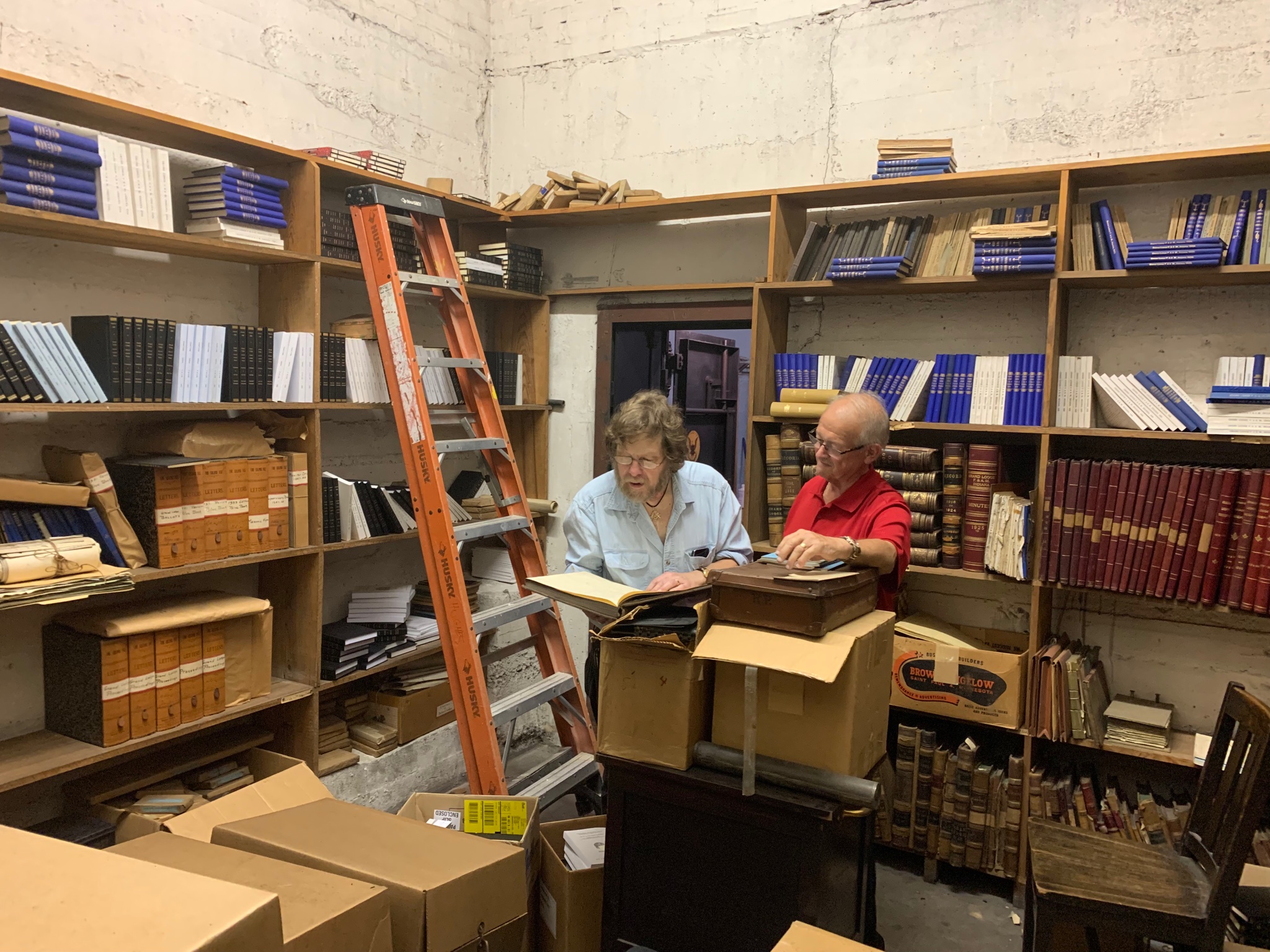
On Thursday, Indiana Past Grand Master Mike Brumback let it slip that he had the combination to the massive Grand Lodge vault in the basement of Indiana Freemasons Hall. Such a revelation could not go unchallenged, and when he opened it, sure enough, it yielded up treasures. 

Treasures, at least, for Masonic history nerds.

The room somehow seemed to have escaped any flooding over the years. It’s packed with hundreds of printed copies of old Indiana annual proceedings, but it looks like the last things put inside were in 2012. 


The paw prints of Past Grand Secretary Dwight L. Smith are evident. At some point on or before the GL’s 150th anniversary in 1968-69, Dwight had apparently put out the word that he wanted to collect and protect copies or originals of the oldest physical documents he could find from lodges around the state. There’s an entire shelf of early 19th century handwritten minute books with notes inside stating they had been microfilmed by the Indiana Historical Society in 1969.

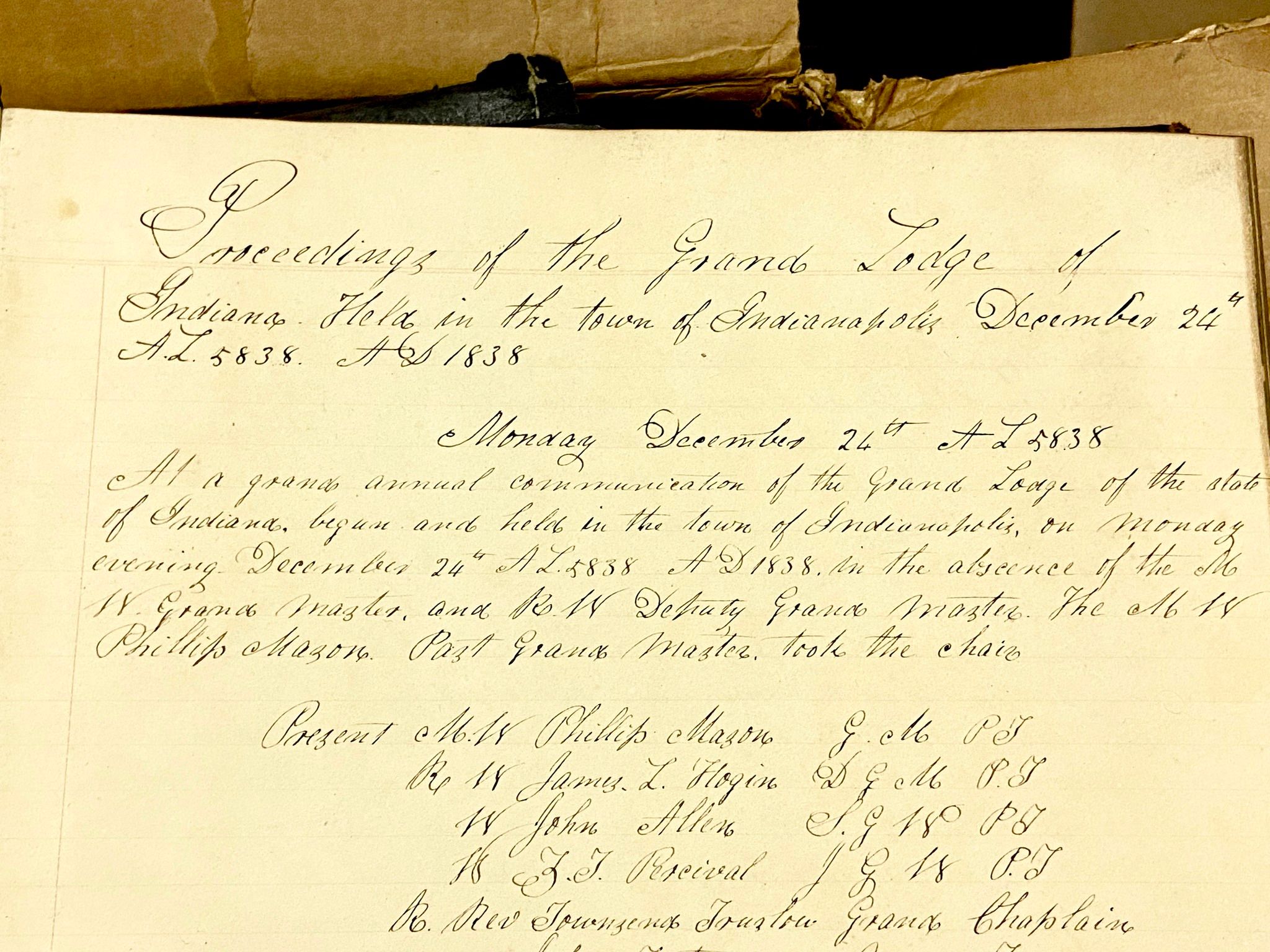
In the top photo by Bill Sassman, Mike Brumback and Chris Hodapp peer into the handwritten Grand Lodge minutes from December 24, 1838. They were written by then-Grand Secretary Abraham Harrison, and probably have not been looked since at least the 1960s – likely even before that. 


Grand Lodge used to meet twice a year, and this was just fifteen years after the City of Indianapolis was created in the wilderness. During the 1800s, Grand Lodge used to meet the day before Christmas (wives were doubtless thrilled over that) and then a second time in May. The 1837 minutes noted that the May meeting was to be held on the Thursday before the General Assembly convened (since many of our early members were also part of state government). If you have ever been curious how we picked the third week in May for our annual communications, that’s how.
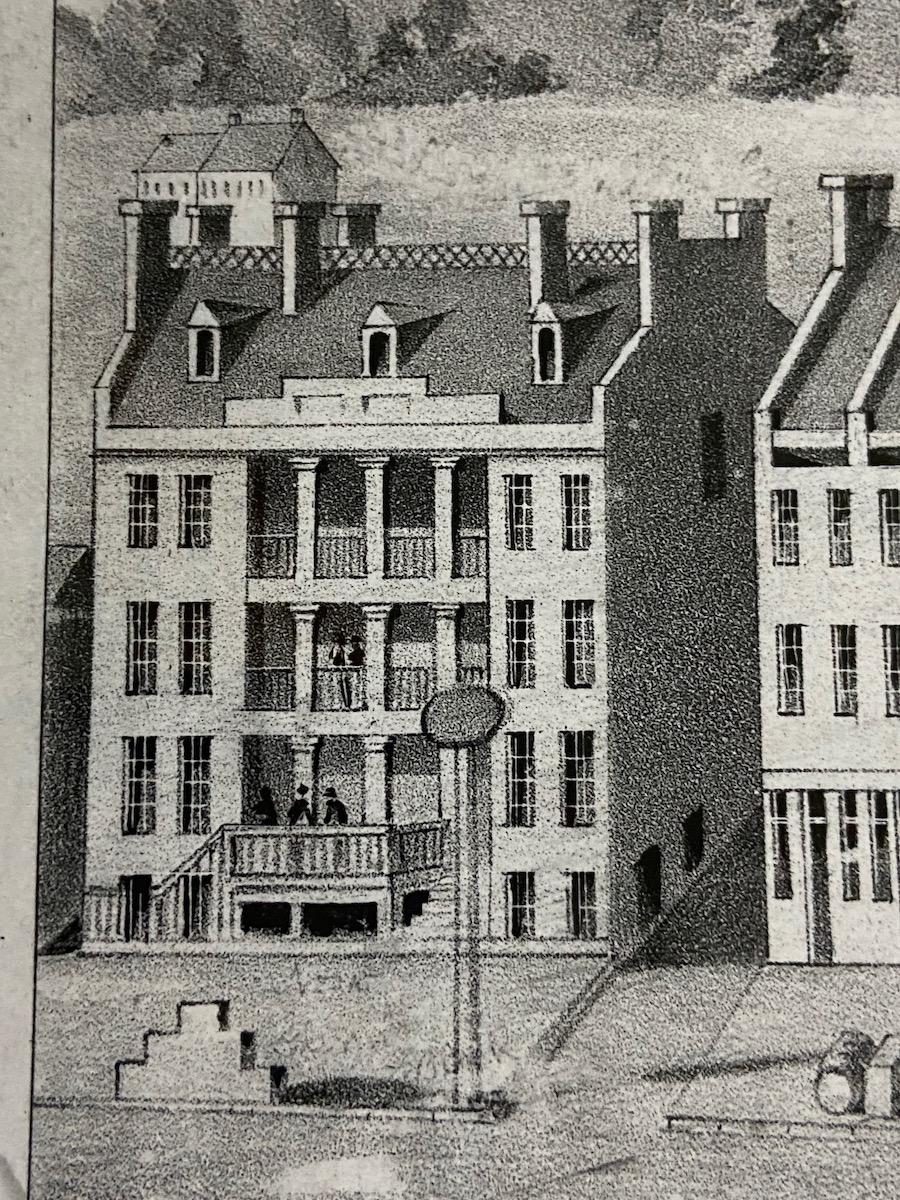
Blake and Henderson ‘s Washington Inn on East Washington Street in the early 1830s.

These minutes also predate the first purpose-built Masonic hall in the city by about thirteen years. Early meetings were held in the public room of a local inn and tavern, Blake and Henderson’s Washington Hall, which was also the usual meeting spot for Centre Lodge 23, the first Masonic lodge chartered in the new capital city.

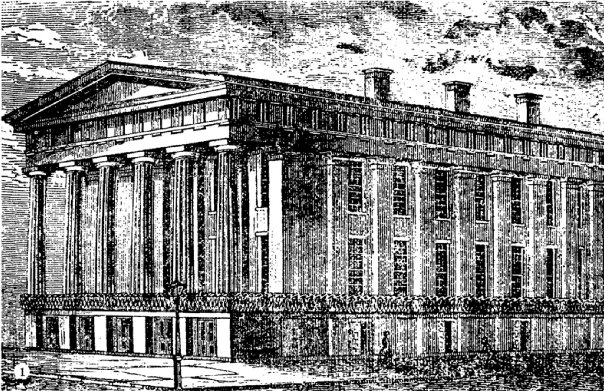
The 1850 Indianapolis Masonic Hall
Indiana’s first official Grand Lodge Masonic Hall was finally built in 1850 and opened the next year. It was deliberately built on the corner of Washington and Tennessee (now Capitol Avenue), diagonally from the statehouse. Before the Masons even moved in, they turned the use of the hall over to the State of Indiana to use for the delegates to the constitutional convention who were writing the new Indiana State Constitution at the beginning of 1851. The statehouse across the street was too small to accommodate both the General Assembly and the convention at the same time.
And this was just the first book we opened. Obviously, we will be exploring the vault’s contents carefully and determining the proper steps to preserve these historic documents going forward.

Welcome to our interns

Since 2011, the Masonic Library & Museum of Indiana has contributed more than $30,000 in college tuition payments and wages to student interns pursuing degrees in Museum Studies at IUPUI. The COVID pandemic shutdowns and restrictions this year caused some unforeseen complexities for us. However, thanks to the IU Work/Study program, we have had the good fortune to be assisted by not one, but  two talented students this fall.

Olivia Underwood is pursuing a Masters of Fine Arts in Museum Studies. She has been working on a variety of projects for us on the Museum side, including new label designs and signage, developing archiving solutions for some of our artifacts, updating our computer resources, and more.

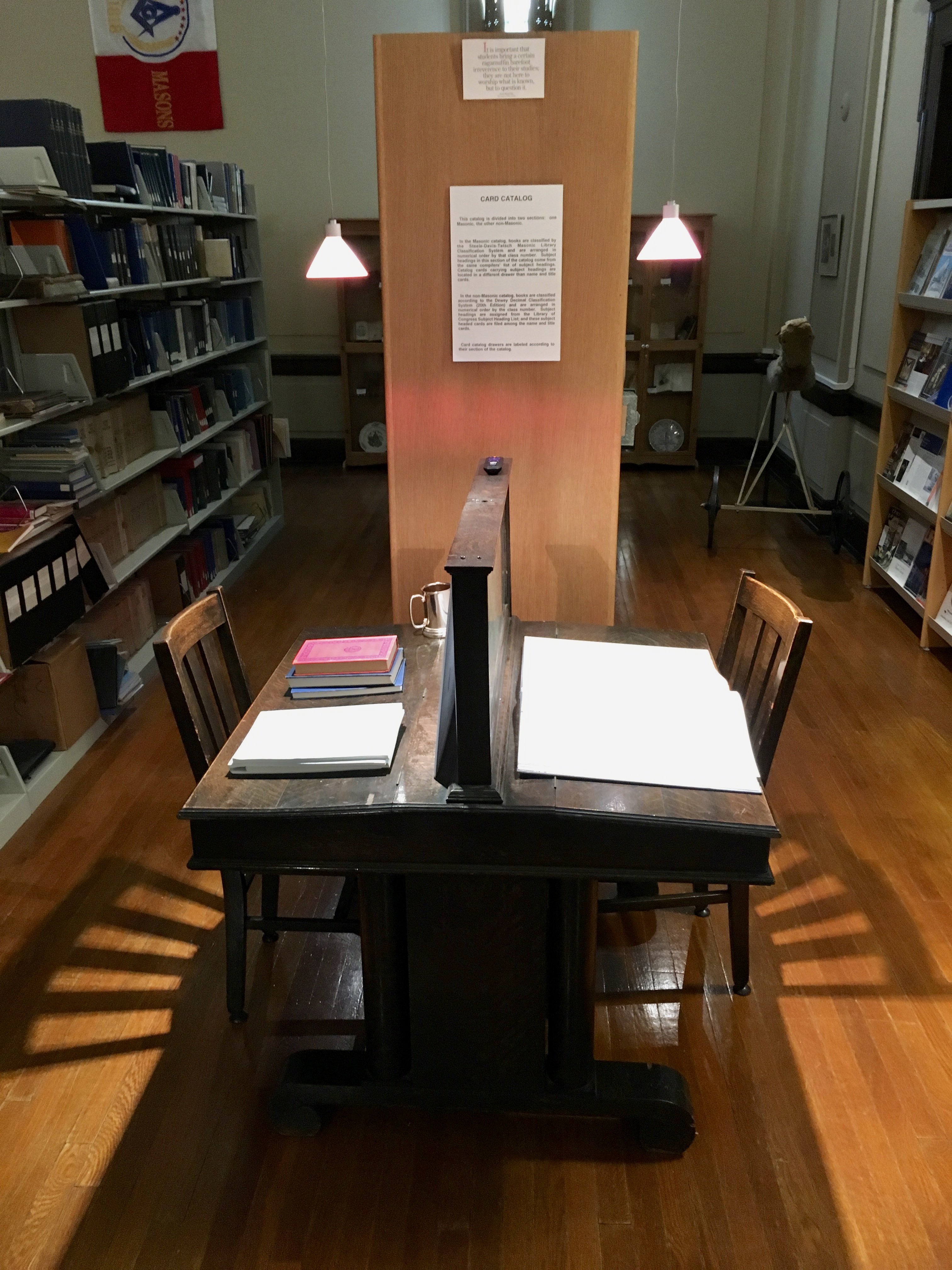
Duncan Kissinger comes to us with an Associate Degree in Library Science, and he is currently attending IUPUI seeking a degree in Labor Studies. Over the years, several of our volunteers have made attempts to at least sort and organize our book collection. But thanks to Duncan’s expertise this year,  we are at last undertaking a serious effort to digitally catalog our Library collection and make it publicly searchable.

Our antique card catalog hasn’t been updated since the late 1990s, and we have had hundreds of new books donated to us since that time. As this project progresses, the ability to search for our books online will be a boon to Indiana Masons, historians, researchers,  genealogists and countless others.

Many thanks to both Olivia and Duncan! They are normally in the Museum Monday through Thursday, so if you are downtown during the week, stop in and say hello.


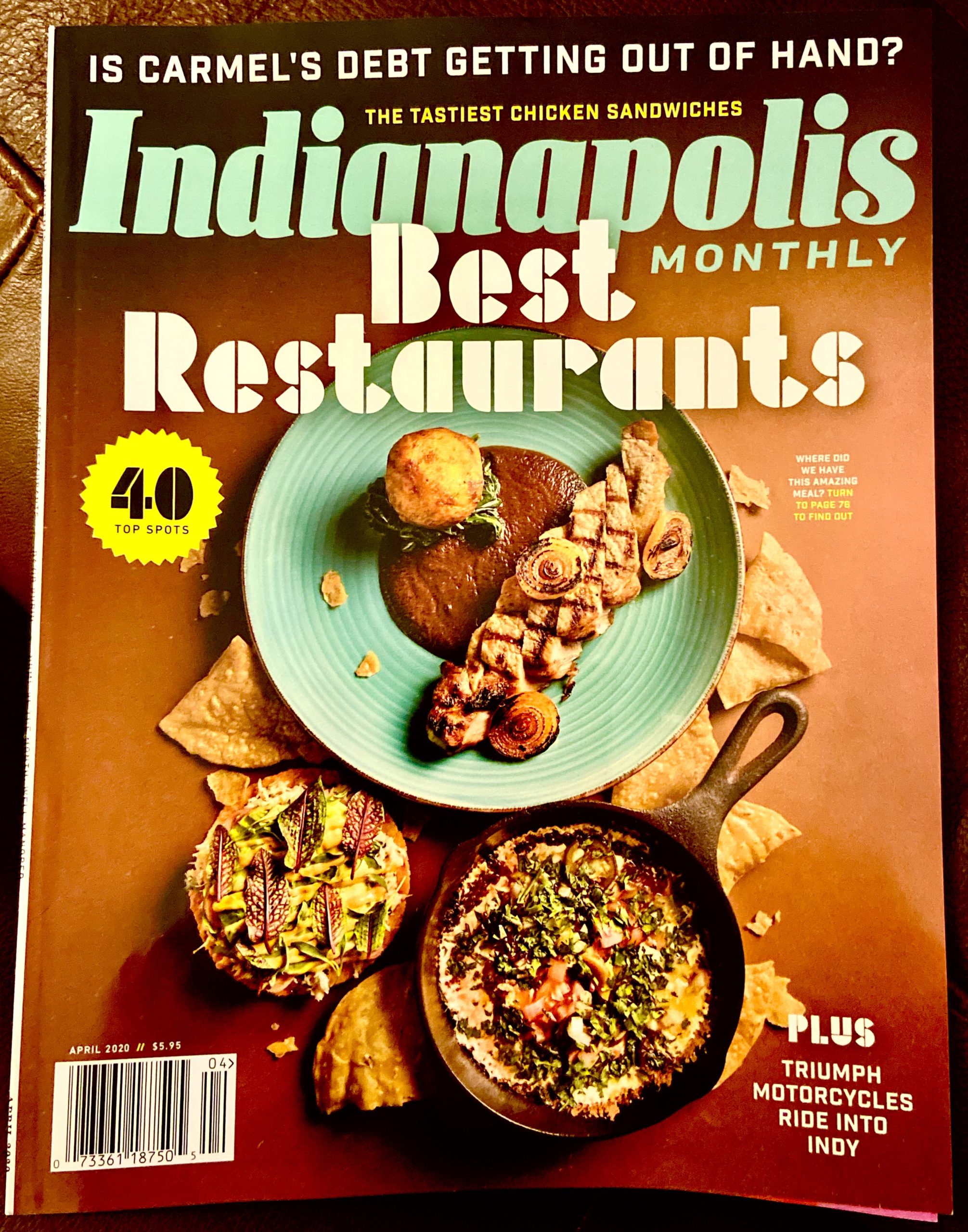
George Frank Sculpture Featured in April ’20 Indianapolis Monthly


As the COVID-19 pandemic nationwide shutdown rolls along, the April 2020 issue of Indianapolis Monthly magazine arrived today, featuring all of the city’s great restaurants we can’t go visit until the restrictions are lifted. Such are the odd vicissitudes of magazine deadlines closing sometimes months in advance of actual publication.

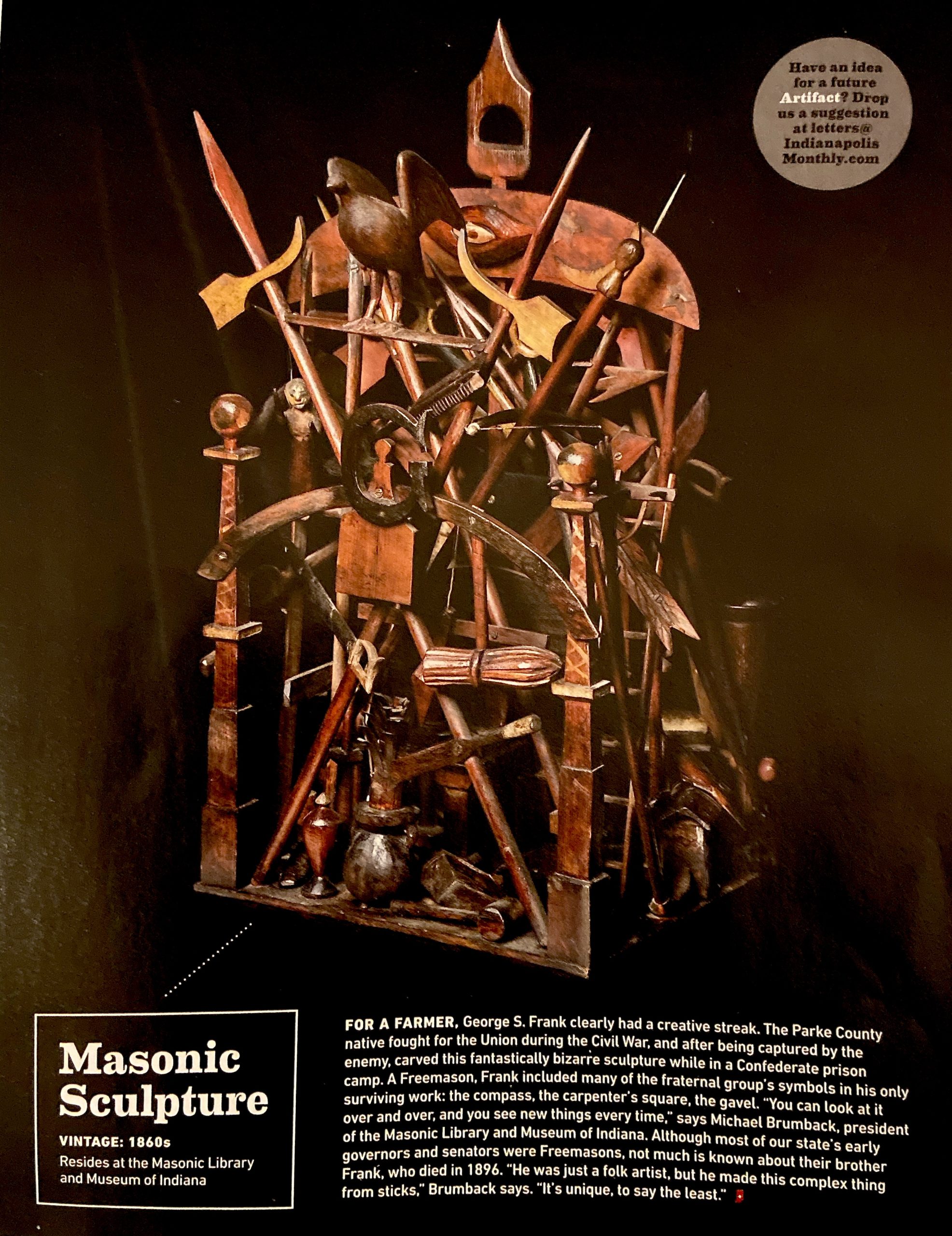
The back page of the magazine always features an unusual artifact from around the City every month. April’s artifact is none other than the Masonic Library and Museum of Indiana’s unique folk art sculpture by nineteenth century Indiana Mason George S. Frank. It is shown in a beautiful, full-page photo by Tony Valainis with a description of the piece, complete with a few words from our director Mike Brumback.

The magazine should be on news stands this week.

For more about Brother Frank’s remarkable and complex sculpture, see this much longer article HERE.

Like nearly every other facility in Indiana, we have been forced to close during the duration of the pandemic. Normally, we are open to the public. When this all passes, please do stop in and see us on the 5th floor of the Indianapolis Masonic Temple at 525 N. Illinois Street in Indianapolis.

Masonic Museum Collection Now Online

We are excited to announce a new online feature that will make the Museum more useful and accessible than ever!

While we regularly change our exhibits at the Masonic Library & Museum of Indiana, it reflects only a tiny portion of our vast collection. In the years that we have been located in our present home in Indiana Freemasons Hall (and with the dedicated assistance of our IUPUI Museum Studies interns), we have been carefully cataloguing all of our various artifacts. We use a specialized program, PastPerfect Museum Software, to document and track all of our objects, whether you actually see them on display or not.

Now, through our association with Past Perfect Software, we are making it possible to view the collection online. Clicking on our ONLINE COLLECTION link will open a separate PastPerfectOnline portal that will let you access and search the photographic and written records.

Take the opportunity to browse our collection and see what surprises we have in our vaults!

Masonic Library & Museum’s New Online Digital Archive Is A Researcher’s Dream

The Masonic Library and Museum of Indiana is soon making an invaluable historical asset available to researchers everywhere.  We have completed digitally scanning all issues of the Indiana Freemason Magazine from 1923 through 2003, and are in the process of making over 30,000 pages available online through our website. Keep watching this space, as we will be publishing links to the archive here as soon as we have established a suitable search system.

During the height of its production, the Indiana Freemason was published monthly and featured articles, essays, photos, announcements of events, rule changes, transcripts of speeches, advertising, and much more.  By the 1950s under the guidance of Dwight L.  Smith, and with Wayne Guthrie (Indiana’s most popular syndicated newspaper columnist at the time), Charles R.  Brown and other major contributors, the Indiana Freemasonbecame one of the most respected, popular and informative Masonic magazines in the country, with more subscribers out of state than among Hoosier Masons themselves.  Such was its reputation and popularity that it even had a substantial number of overseas readers in an age long before the Internet permitted easy international communication.

In the years before the turn of the 21st century the magazine had several editors besides Dwight Smith, including Laurence Taylor, Doyle Oursler, Walter Worland, Alan Lisle Jr., and Roger VanGorden.  In addition to Indiana’s own Masonic authors and contributors, the Freemason published articles from some of the luminaries of the 20th century Masonic world: H. L.  Haywood, Carl Claudy, Joseph Fort Newton, Lowell Thomas,  Conrad Hahn, Alphonse Cerza, Melvin M.  Johnson, and countless others.  There are articles on history, practices, ritual, symbolism, philosophy, religion, archeology, patriotism.  And nearly every issue featured news from around the Masonic world outside of Indiana as trends and rule changes were debated throughout the fraternity.  They are a treasure trove for members researching their own lodge’s past, and they are a genealogist’s dream.

The Indiana Freemason was printed during this period at the Indiana Masonic Home, and the on-site print shop there was originally designed as a vocational training program for the boys at the Home.  The print shop was started with almost $4,000 (equivalent to nearly $60,000 today) in donations from Mystic Tie Lodge 398 in Indianapolis. The boys learned a trade, and the fraternity got a tremendous resource in return.  By the 1950s, the print shop was staffed with paid employees, and it was a major operation that cranked out not just the magazine each month, but reams of books, pamphlets, forms, reports, stationary, and other paperwork that served the 185,000 Masons of Indiana at its height.

In addition to the Freemason magazine collection, we have also scanned several individual histories of lodges from the Library’s collection.  These include: Warren 15; Terre Haute 19; Webb 24; Clinton 54; New Castle 81; Richmond 196; Lessing 464; Tippecanoe 492; Garfield 569; West Lafayette 742; and Tell City 823.  These make up a fraction of our archive of lodge histories. In the course of preparing this massive scanning job, we have also uncovered several unpublished manuscripts of major importance to Indiana’s Masonic researchers and other historians, and we look forward to there being enough interest from readers in continuing this process.   We are also hoping to permit the future online exploration of our objects in the Museum’s extensive collection. With this in mind, we are pursuing a partnership with the Indiana State Library and their Indiana Memory database to reach a wider audience, and to ensure the long-term online presence of this material in the ever-shifting Internet landscape.

Finally, Dwight Smith’s 1968 Grand Lodge history, Goodly Heritage, is now available online for the first time, and will be obtainable as a print-on-demand traditional book, as well.  Smith’s indispensible volume has not been available in print or online since it sold out in the 1970s, and every Indiana Mason should have ready access to it.  Be sure to keep checking in with our website as we update access information throughout the fall.

This mountain of Masonic education and history available online will be an indispensible resource for Masons and non-Masonic historians, academic researchers and genealogists.  It was made possible in part by donations from lodges and individual Masons all over Indiana.  Brethren have made both large and small donations to the MLMI this year, and we are deeply appreciative of everyone’s support.  We would like to take this opportunity to especially thank the Prather York Rite bodies for their generous contribution in May.

When you are in Indianapolis, be sure to stop in and visit the Masonic Library and Museum in person on the 5th floor of the Grand Lodge’s headquarters in the Indianapolis Masonic Temple. We are open to the public, and our exhibits are always changing.  Also, we are always in need of volunteers to act as guides to expand our hours, as well as to assist with projects.  For more information about accessing the MLMI collection and our growing list of online resources, be sure to check the MLMI website at www.mlmindiana.org and also follow our Facebook page at www.facebook.com/mlmindy